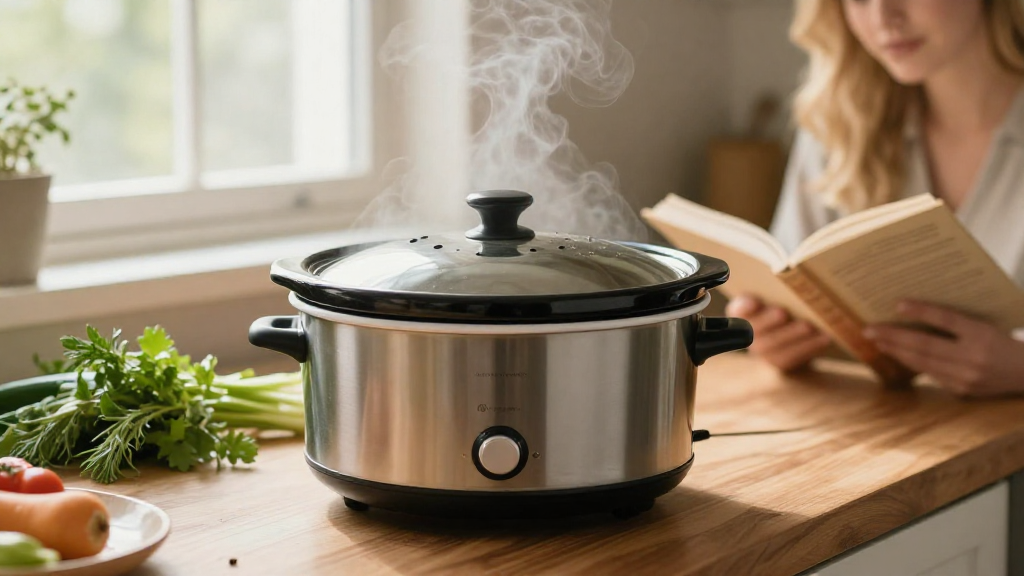
When using a slow cooker, it’s essential to consider the amount of food you’re preparing. This brings us to the question: what happens if your slow cooker is too empty? In this article, we’ll dive deep into this topic, exploring the consequences of an under-filled slow cooker.
What Are the Risks of Cooking with an Empty Slow Cooker?
Utilizing a slow cooker is a convenient way to prepare meals, but it requires the right amount of ingredients for optimal performance. Here’s what can happen if your slow cooker is lacking the recommended amount of food:
-
Overheating Issues: Slow cookers work by trapping heat and moisture.
If your slow cooker is too empty, it can overheat.
This may cause the outer surface to become excessively hot, leading to possible damage or even creating a fire hazard. -
Uneven Cooking: Ideally, a slow cooker should be filled between one-third and two-thirds full for even cooking.
When your slow cooker is too empty, you may notice that the food cooks unevenly.
This can lead to undercooked portions, potentially posing food safety concerns. -
Burning Risk: With less food inside, the heat can concentrate on the little amount of food available.
This can cause ingredients to burn, especially if you are cooking for several hours.
Burnt food not only ruins your meal but can also impart a bitter taste. -
Increased Cooking Time: You might suspect that cooking less food would mean shorter cooking times.
However, the opposite can be true if your slow cooker is too empty.
An empty cooker can cause everything to cook slowly or even stall in the cooking process. -
Flavor Absorption Issues: Slow cookers work best when there’s a sufficient volume of ingredients to absorb flavors.
Cooking too little can lead to bland meals, as there’s simply not enough food for the spices and sauces to impart their flavors.
What Is the Best Capacity for a Slow Cooker?
A typical slow cooker comes in various sizes ranging from 1.5 quarts to 8 quarts.
To prevent issues related to what happens if your slow cooker is too empty, it’s essential to match your slow cooker size with your cooking needs.
- 1.5 to 3 Quarts: Perfect for side dishes, dips, or meals for one or two people.
- 4 to 6 Quarts: Ideal for small families or for cooking larger meals with leftovers.
- 7 to 8 Quarts: Best for meal prep or larger gatherings; ensures you don’t run into the problems associated with emptiness.
Choosing the right size slow cooker can make a significant difference in cooking efficiency and food quality.
How Can You Prevent Under-Filling Your Slow Cooker?
To mitigate the issues that arise from what happens if your slow cooker is too empty, consider the following tips:
-
Follow Recipes Closely:
Recipes typically provide ingredient quantities that ensure the slow cooker operates efficiently.
Stick to the recommended amounts to avoid underfilling. -
Use Fill Level Guides:
Familiarize yourself with the fill levels for your specific slow cooker model.
Most slow cookers have markings indicating recommended amounts. -
Monitor Cooking Times:
If you’re unsure about the food volume, keep an eye on cooking times.
Adjust them as necessary, and ensure you have enough food to avoid problems related to cooking time and heat. -
Bumping Up Flavor:
If you’re cooking smaller meals, consider using flavor-enhancing techniques.
This might include making a broth, adding extra spices, or incorporating a small amount of liquid to prevent burning. -
Batch Cooking:
Prepare larger quantities and freeze leftovers.
This way, you’ll always have meals ready, reducing the chance of cooking in an under-filled slow cooker.
What Happens If You Ignore the Warning Signs?
If you continually use your slow cooker when it’s too empty, several negative outcomes can occur:
- Long-Term Damage: The heating element may become damaged from overheating, potentially jeopardizing the lifespan of your appliance.
- Unsafe Meals: Foods may spoil if they’re not cooked at the right temperature, inviting bacteria to flourish.
- Inconsistent Results: Regularly experiencing poorly cooked meals can lead to frustration, deterring you from using your slow cooker altogether.
When Should You Avoid Using a Slow Cooker?
In some cases, it might be better to use alternative cooking methods:
- Cooking Small Portions: If you’re unsure of how much food you need, consider stovetop or microwave options.
- Delicate Ingredients: Foods like fish can easily overcook and burn in an empty slow cooker.
- Quick Meals: For speedy dishes, using an instant pot or pan can be more effective than a slow cooker.
Conclusion: Understanding the Importance of Proper Slow Cooker Filling
In conclusion, understanding what happens if your slow cooker is too empty is essential for anyone who loves convenient, slow-cooked meals.
By adhering to recommended fill levels, you can enjoy evenly cooked, flavorful dishes without the risk of overheating, burning, or creating unsafe meals.
So the next time you reach for your slow cooker, make sure it has the right amount of food to avoid the pitfalls of an underfilled cooking vessel.
By incorporating these strategies, you can ensure not only the longevity of your equipment but also the satisfaction of your meal creations. Happy Cooking!