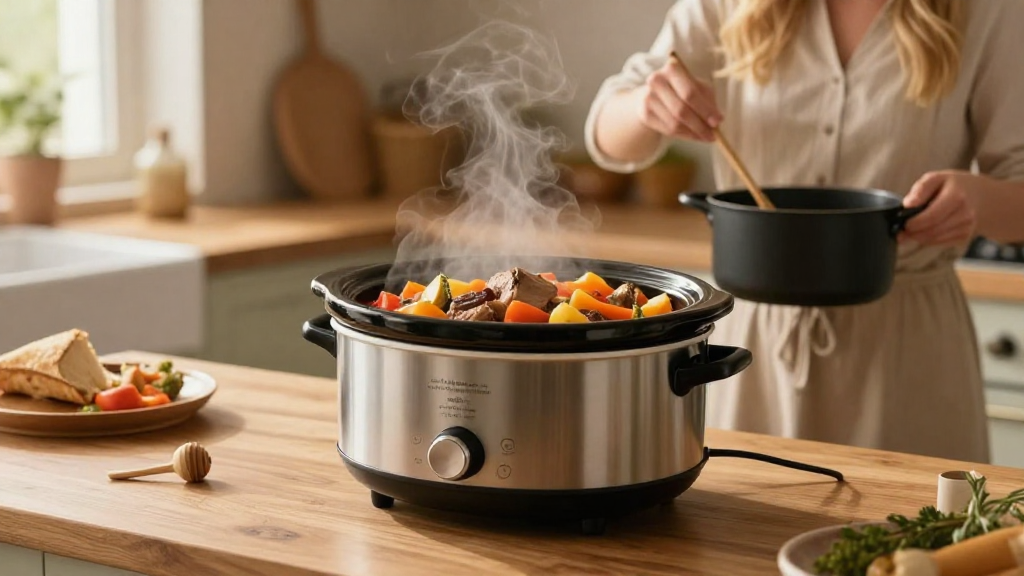
When it comes to creating delicious meals with minimal effort, nothing beats a slow cooker. However, to get the most out of this versatile kitchen appliance, it’s essential to understand the slow cooker temperature guide. This guide will help you master the art of slow cooking, ensuring your dishes are perfectly cooked every time.
What Temperatures Should I Use for My Slow Cooker?
Understanding the temperatures used in a slow cooker is key to cooking delicious meals. Generally, most slow cookers have three primary settings: low, high, and keep warm.
- Low: Typically between 190°F and 200°F (88°C to 93°C)
- High: Typically between 250°F and 300°F (121°C to 149°C)
- Keep Warm: Typically around 165°F (74°C)
Why are Temperature Settings Important?
The slow cooker temperature guide plays a vital role in determining how your ingredients cook. Cooking at the right temperature ensures:
- Food Safety: Cooking foods at appropriate temperatures kills harmful bacteria.
- Flavor: The slow cooking process allows flavors to meld and develop, enhancing your dish.
- Texture: Cooking at controlled temperatures can help maintain the right texture for meats and vegetables.
Can I Use the Slow Cooker on Cooking High or Low?
Absolutely! Your choice of temperature setting will depend on several factors:
- Time Constraints: If you need a meal quickly, opt for the high setting. For more tender and flavorful dishes, the low setting is ideal.
- Type of Protein: Tougher cuts of meat benefit from low and slow cooking, while more tender meats can be done on high.
- Cooking Duration: Generally,
- Low: takes about 6 to 8 hours
- High: takes about 3 to 4 hours
What Foods Work Best at Each Temperature?
Not all foods are suited for every cooking temperature. Here’s a simple breakdown:
- Low Temperature (190°F to 200°F):
- Ideal for stews
- Perfect for soups
- Best for tough cuts of meat (beef chuck roast, pork shoulder)
-
Great for vegetables that need longer cooking times
-
High Temperature (250°F to 300°F):
- Best for quick meals
- Perfect for cooking chicken pieces
- Suitable for vegetables that cook faster (green beans, bell peppers)
- Excellent for stir-fries that require lesser cooking time
How Do I Know When My Food is Done?
Using the slow cooker temperature guide, you can ensure that your meal is cooked to the right internal temperature. The USDA provides helpful temperature guidelines:
- Poultry: 165°F (74°C)
- Ground meats: 160°F (71°C)
- Beef (steaks, roasts): 145°F (63°C) with a three-minute rest time
- Pork: 145°F (63°C)
- Fish: 145°F (63°C)
Invest in a good meat thermometer to check the internal temperature of your dishes.
What Happens if You Overcook in a Slow Cooker?
While slow cookers are forgiving appliances, overcooking can lead to dry meats and mushy vegetables. Ingredients will often break down and lose their intended texture and flavor.
- Top tip: Follow the slow cooker temperature guide and cooking times closely to avoid overcooking.
How Do I Layer Ingredients in My Slow Cooker?
Layering your ingredients correctly is crucial for even cooking. Here’s the general method you should follow:
-
Layer Hard Ingredients First: This includes carrots, potatoes, and onions, which take longer to cook.
-
Add Protein: Place your meat on top of the hard veggies. This allows the juices to drip down, keeping the meat moist.
-
Add Soft Ingredients: Ingredients like tomatoes and bell peppers should go last, as they require less cooking time.
What Are Some Slow Cooker Tips for Best Results?
To make the most of your slow cooker temperature guide, here are some valuable tips:
-
Don’t open the lid too often: Each time you do, heat escapes, and cooking time increases.
-
Use the right amount of liquid: Too much liquid can lead to soupy meals, while too little can cause burning.
-
Avoid overloading the slow cooker: Filling it to the brim can lead to uneven cooking.
-
Experiment with flavors: Use herbs and spices liberally, as slow cooking allows for deeper flavor profiles.
Can I Use Frozen Ingredients?
Using frozen ingredients may require more time and alterations to your cooking method. The recommended approach is to thaw meat before cooking.
- Tip: Add an extra hour on the high setting if cooking from frozen.
What Are Some Common Slow Cooker Mistakes?
To ensure a successful cooking experience, avoid these common slow cooker pitfalls:
-
Not using enough seasoning: Long cooking times demand more robust flavors.
-
Cutting ingredients too finely: This can cause them to disintegrate during the cooking process.
-
Skipping browning steps: Searing meats before adding them can boost the overall flavor of your dish.
Conclusion: How Can I Get the Most Out of My Slow Cooker?
Understanding your slow cooker temperature guide is vital for creating sumptuous slow-cooked meals.
By following the appropriate temperature settings, using the right ingredients, and layering them correctly, you can ensure vibrant flavors and a satisfying texture in every dish.
Experiment with recipes, monitor your cooking times, and embrace the slow cooker as an indispensable ally in your kitchen adventures.
With this complete slow cooker temperature guide, you’re well on your way to becoming an expert in preparing flavorful and hearty meals for your family and friends. Happy Cooking!