Fresh juice does not require a large appliance or a dedicated prep room. The best fruit presses for small kitchens make it easier to extract juice from citrus, berries, grapes, apples, herbs, and other soft produce while keeping storage and cleanup manageable.
This roundup includes compact handheld and countertop presses alongside larger manual models for wine, cider, honey, and oil projects. Use the buying guide below to match capacity, materials, pressing force, and cleanup needs to your kitchen.
Best 10 Fruit Presses for Small Kitchens Picks for 2026
Compact Soft-Fruit Press
2L Stainless Steel Manual Juicer
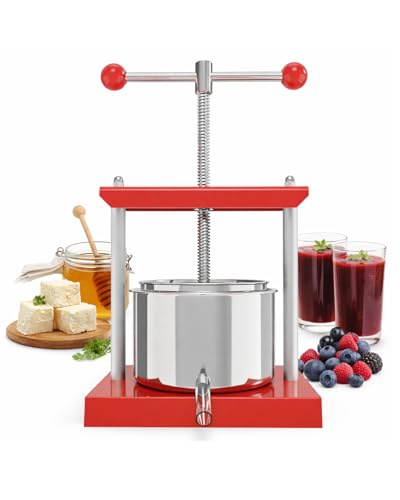
- 2-liter capacity for small batches
- Includes reusable mesh filter bag
- Designed for crushed soft fruits and infusions
Best For: Small kitchens, berries, grapes, herbs, and other soft ingredients
Everyday Citrus Press

- Compact 0.75-liter manual design
- Removable strainer catches seeds
- Detachable handle eases storage and cleaning
Best For: Citrus, pomegranates, and individual servings
Heavy-Duty Countertop Press
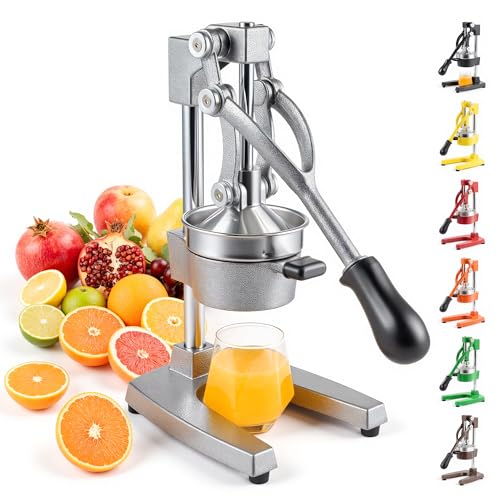
- Reinforced cast iron construction
- Suction base improves countertop stability
- Removable stainless strainer and funnel
Best For: Frequent citrus and pomegranate pressing
Seasonal Batch Press
3.2-Gallon Beech Wood Cider Press

- 3.2-gallon capacity for larger batches
- Beech wood basket with breakaway design
- Built-in spout for juice collection
Best For: Seasonal cider, juice, and homemade wine making
Heavy-Duty Citrus Pick

- 5-inch bowl handles limes through grapefruits
- Lever design presses citrus without power
- Stable, durable cast iron construction
Best For: Frequent citrus juicing, cocktails, and lemonade
Versatile Batch Press

- 1.65-liter capacity for family-size batches
- Presses fruit, grapes, cider, honey, and more
- Stainless steel barrels with included filter bags
Best For: Batch fruit processing and homemade cider or wine
Easy-Clean Lever Choice
Cast Iron Citrus & Pomegranate Press

- Lever system supports quick manual pressing
- Works with citrus and pomegranates
- Detachable stainless steel parts are dishwasher-safe
Best For: Daily juice, pomegranates, and easy component cleanup
Quiet Pressing Power
Stainless Steel Fruit Wine Press

- Quiet, motor-free operation
- Stainless steel basket with filter bag
- Available in 0.8- and 1.6-gallon capacities
Best For: Larger home batches of juice, fruit wine, or pressed oils
Compact Countertop Classic

- 0.5-liter direct-collection capacity
- Leverage-focused hinge and press plate
- Dishwasher-safe aluminum body
Best For: Citrus drinks, cocktails, and small everyday batches
Compact Soft-Fruit Press – 2L Stainless Steel Manual Juicer
For shoppers comparing fruit presses for small kitchens, this 2-liter stainless steel model is designed for compact, small-batch work. Its included mesh bag helps filter seeds and pulp from crushed grapes, berries, cherries, herbs, honey, cheese, or tofu.
Best For: Soft fruits, herbal infusions, and small-batch pressing where cabinet-friendly storage matters.
Pros:
- Compact 0.53-gallon capacity suits small projects.
- Stainless steel buckets resist acidity and are easy to rinse.
- Reusable mesh filter bag helps produce smoother juice.
- Manual T-handle provides controlled pressure without electricity.
Cons:
- Requires fruit or other ingredients to be chopped or crushed first.
- Not suitable for pressing whole hard fruits such as apples or pears.
- Hand-wash care is required.
This is a practical choice when you want a compact press for soft produce rather than a large cider-making setup. The 2-liter capacity keeps batches manageable, while the filter bag adds convenience during cleanup and straining.
Everyday Citrus Press – Zulay Manual Fruit Juicer
This Zulay manual juicer is a useful option for fruit presses for small kitchens when counter space and quick serving are priorities. The compact lever design handles citrus and other soft fruits, with a removable strainer for catching seeds.
Best For: Citrus juice, pomegranates, and occasional manual pressing at home.
Pros:
- Wide V-shaped nozzle helps direct juice into a cup or pitcher.
- Long ergonomic handle provides leverage during pressing.
- Detachable handle supports easier cleaning and storage.
- Removable food-grade strainer filters seeds and pulp.
Cons:
- Hand wash only; dishwasher use is not recommended.
- Its 0.75-liter capacity is better suited to individual servings than large batches.
- Designed for soft fruits rather than whole hard produce.
With its removable components and modest footprint, this press fits routine juice making without committing to a larger machine. It is particularly convenient for citrus and pomegranate servings where controlled pouring and seed filtering are useful.
Heavy-Duty Countertop Press – CO-Z Cast Iron Citrus Juicer
Among fruit presses for small kitchens, the CO-Z stands out for shoppers who want substantial countertop leverage in a manual format. Its cast iron frame, suctioning base, stainless steel strainer, and removable funnel are built for citrus and other soft or pulpy fruits.
Best For: Frequent citrus or pomegranate pressing when stability and heavy-duty construction are more important than low weight.
Pros:
- Heavy cast iron construction supports forceful manual pressing.
- Countertop suction base helps keep the press stable.
- Food-grade 304 stainless steel parts contact the juice.
- Removable strainer and funnel simplify cleanup.
Cons:
- At about 15 pounds, it is heavier than compact aluminum presses.
- Its 0.6-liter capacity favors smaller servings.
- The tall, sturdy frame requires dedicated counter or storage space.
This model makes sense when you press regularly and prefer a rigid, lever-driven tool over a lightweight squeezer. Its footprint is still suitable for countertop use, but the cast iron build means portability and easy lifting are not its strengths.
Seasonal Batch Press – 3.2-Gallon Beech Wood Cider Press
EJWOX 3.2 Gallon Fruit and Wine Press, Manual Cider Press with Solid Beech Wood Basket
Check Price On AmazonThis 3.2-gallon wooden press is the largest option here, so it is a fit for fruit presses for small kitchens only when you have room for seasonal batch equipment. Its beech wood basket and hand-operated press plate are intended for crushed apples, grapes, berries, juice, and homemade wine.
Best For: Seasonal cider, juice, or wine making from crushed fruit in larger household batches.
Pros:
- 3.2-gallon capacity supports larger batches than countertop citrus presses.
- Solid red beech basket is designed for moisture and wear resistance.
- Built-in pour spout helps collect juice.
- Breakaway basket design assists with removing pressed pulp.
Cons:
- Its 20.5-inch width and 22.4-inch height are not ideal for very limited storage.
- Fruit must be crushed before loading.
- Hand-wash care is required.
This is better viewed as a compact seasonal press than an everyday kitchen juicer. Choose it when batch capacity and traditional manual cider or wine making outweigh the need for a small cabinet footprint.
Heavy-Duty Citrus Pick – Zulay Cast Iron Citrus Press
For shoppers comparing fruit presses for small kitchens, the Zulay Kitchen Cast Iron Juicer is a focused citrus tool with a sturdy lever and a 5-inch bowl. It handles lemons, limes, oranges, and grapefruits without electricity, while its compact footprint is practical for countertop use.
Best For: Home cooks, cocktail makers, and anyone primarily pressing citrus.
Pros:
- Heavy-duty cast iron construction and a leverage-assisted manual arm.
- 5-inch bowl accommodates small limes through large grapefruits.
- Rubberized feet help keep the press stable during use.
- Designed to minimize seeds and pulp in the juice.
Cons:
- At 15.1 pounds, it is heavy to move or store.
- Hand-wash-only care requires extra cleanup time.
- It is primarily designed for citrus rather than general fruit pressing.
This is a strong choice when durability and fast citrus pressing matter more than portability. Its substantial weight may be excessive for occasional users, but it can suit a small kitchen that has a dedicated countertop spot.
Versatile Batch Press – VEVOR 1.65L Fruit Wine Press
The VEVOR Fruit Wine Press is a versatile option for shoppers seeking fruit presses for small kitchens that can handle more than citrus. Its 1.65-liter capacity and stainless steel barrels suit juice, cider, grapes, fruit puree, honey, and other pressing projects, although its tall profile needs storage planning.
Best For: Families and home makers processing grapes, apples, cider, or larger batches of fruit.
Pros:
- 1.65-liter capacity supports family gatherings and parties.
- Stainless steel pressing plate, barrels, and support frame are built for repeated use.
- T-handle provides manual pressing control without electricity.
- Includes two food-grade filter bags.
Cons:
- Nearly 20 inches tall, so cabinet storage may be difficult.
- Pre-cutting fruit and using a filter bag can add preparation time.
- The listed care details call for hand washing despite the cleaning description mentioning dishwasher convenience.
This press is better suited to batch preparation than quick single-glass citrus juice. Its broad range of uses makes it appealing for a small kitchen with occasional winemaking, cider, or fruit-processing projects and enough room to store a tall appliance.
Easy-Clean Lever Choice – Cast Iron Citrus & Pomegranate Press
This cast iron hand press is a practical contender among fruit presses for small kitchens, especially for users who want citrus and pomegranate juice without a motor. Its lever system is designed for quick pressing, while the detachable stainless steel bowl and cone simplify cleanup.
Best For: Daily home juicing, pomegranates, citrus, and countertop use where stability matters.
Pros:
- Lever design delivers pressing power with minimal manual effort.
- Suitable for lemons, oranges, grapefruits, and pomegranates.
- Detachable stainless steel bowl and cone are dishwasher-safe.
- Weighted base and rubber pad help reduce shifting.
Cons:
- The cast iron body is hand-wash only.
- Its 15-inch height may limit cabinet storage.
- It is less suitable for large-batch fruit processing than a basket-style wine press.
Choose this model if fast, controlled servings and easier component cleanup are priorities. It offers broader fruit compatibility than a basic citrus press, but its tall, heavy construction still benefits from a permanent countertop or nearby storage location.
Quiet Pressing Power – Stainless Steel Fruit Wine Press
For shoppers comparing fruit presses for small kitchens, this manual stainless steel press offers a quiet way to process fruit, vegetables, grapes, or other ingredients without a motor. Its 0.8-gallon and 1.6-gallon capacity options provide more room than a handheld citrus press, though its larger format is better suited to kitchens with storage space.
Best For: Home users making larger batches of juice, fruit wine, or pressed oils without motor noise.
Pros:
- Motor-free design operates quietly.
- Food-grade stainless steel construction is sturdy and rust resistant.
- Perforated basket and included filter bag help separate juice from pulp.
- T-handle and threaded spindle are designed to reduce pressing effort.
Cons:
- Hand-wash-only care requires more cleanup time.
- The larger 1.6-gallon version may be less convenient to store in a small kitchen.
This is the most capable option here for batch pressing, but its basket-and-base design takes more room than countertop citrus tools. Choose it when capacity and quiet operation matter more than compact storage.
Compact Countertop Classic – Vintage Kitchen Manual Juicer
This countertop press is a practical pick among fruit presses for small kitchens when you mainly juice citrus and want a compact, easy-to-clean tool. Measuring 5 inches deep by 12 inches wide by 6 inches high, it collects juice directly in the base for pouring into a glass, shaker, or bowl.
Best For: Small-kitchen citrus juicing, cocktails, natural sodas, and single servings of fresh juice.
Pros:
- Compact countertop footprint and portable design.
- Hinge and press plate provide leverage with minimal effort.
- Rubber feet help keep it stable during use.
- Dishwasher safe for easier cleanup.
Cons:
- Its 0.5-liter capacity is better for smaller batches.
- At 12 inches wide, it may need dedicated counter or cabinet space.
With direct collection and dishwasher-safe care, this press is especially convenient for regular citrus drinks. It also lists apples, pears, pineapples, and pomegranates among its compatible fruits, but the half-liter capacity favors everyday portions over large-batch processing.
Small-Space Citrus Helper – Handheld Seed-Filter Press
For the tightest counters, this handheld aluminum press is one of the most compact fruit presses for small kitchens. It measures about 8.1 by 4.6 by 3.5 inches, uses a manual squeeze action, and includes a seed filter for citrus, pomegranate, and similar fruits.
Best For: Quick single-fruit squeezing, cocktails, and fresh citrus juice in compact kitchens or bars.
Pros:
- Portable, lightweight design weighs about 0.37 kg.
- V-shaped outlet and ergonomic form are intended to reduce squeezing effort.
- Non-slip foot helps stabilize it on the counter.
- Detachable components rinse quickly and allow thorough cleaning.
Cons:
- Hand wash only; it should not go in the dishwasher.
- Uncoated aluminum requires careful cleaning and drying.
- Its handheld format is less suitable for large batches.
This is the easiest option to store and bring to a bar, picnic, or small counter. Its main trade-off is hands-on cleanup and a format designed for quick individual servings rather than sustained batch pressing.
How We Picked the Best Fruit Presses for Small Kitchens
We compared these 10 manual presses by footprint, capacity, construction, operating effort, straining design, and versatility. Because “small kitchen” can mean limited counter space or simply occasional use, the selection covers several formats: handheld citrus squeezers, lever-style countertop presses, and compact basket presses for larger batches.
We also considered practical details that affect ownership, including removable strainers, food-contact materials, ease of rinsing, stability, and whether a press is better suited to single servings or batch processing. Product specifications and intended uses should be checked carefully before purchase, particularly for models marketed for wine, cider, honey, or oil.
Quick Comparison
| Press type | Best for | Typical advantage | Main trade-off |
|---|---|---|---|
| Handheld citrus press | Lemons, limes, oranges, and pomegranates | Smallest storage footprint | Limited to smaller portions and suitable fruit sizes |
| Countertop lever press | Frequent citrus juicing | More leverage with less hand effort | Needs a stable counter and more storage space |
| Small basket press | Berries, grapes, herbs, and soft fruit | Better for batch extraction | More parts and longer cleanup |
| Larger wine or cider press | Apples, grapes, and serious seasonal projects | High capacity and strong pressing force | Bulky for everyday small-kitchen use |
Key Buying Factors for Fruit Presses for Small Kitchens
Size and Storage
Measure both the counter space and the cabinet or shelf where the press will live. A handheld model is easiest to store, while a basket press may need a dedicated location. Remember to allow room for the handle to move and for a bowl or container beneath the outlet.
Capacity and Intended Produce
Choose a citrus press for quick glasses of orange, lemon, or lime juice. For berries, grapes, and herbs, look for a basket, filter bag, or strainer that can contain pulp and seeds. Larger 1.6-gallon and 3.2-gallon-style presses make more sense for seasonal batches than for occasional breakfast juice.
Construction and Stability
Stainless steel is generally easy to clean and resistant to corrosion, while cast iron can provide substantial leverage and stability. A heavier press may feel more secure, but it is less convenient to move. Check that the base sits firmly and that the handle operates without excessive wobble.
Cleanup and Food Handling
Removable strainers and washable filter bags can simplify cleanup. Look for smooth, accessible surfaces and confirm whether the manufacturer gives clear care instructions. Do not assume every press is dishwasher-safe, especially painted, cast-iron, or wood-basket models.
Who Should Buy Which Fruit Presses for Small Kitchens?
Choose a handheld citrus press if you make one or two servings at a time and have very limited storage. It is the simplest choice for lemons, limes, and occasional oranges.
Choose a countertop cast-iron or lever press if you juice citrus regularly and want better leverage, faster preparation, and a stable workstation.
Choose a compact basket press if your recipes include grapes, berries, herbs, honey, or small fruit batches. Prioritize a strainer or filter system suited to the texture of your ingredients.
Choose a larger wine or cider press only if you regularly process substantial quantities. For most small kitchens, the extra capacity is useful seasonally but excessive for everyday juice making.