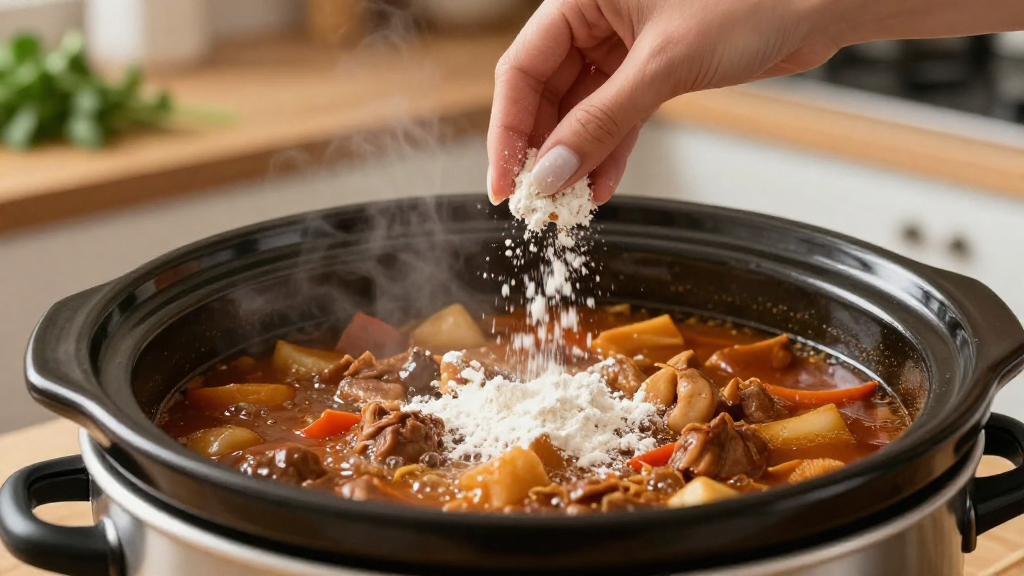
When it comes to slow cooking, many food enthusiasts wonder: can you add flour to slow cooker recipes? The answer is yes, but there are several important factors to consider to achieve the best results. In this article, we will delve into the nuances of using flour in your slow cooker meals, explore its benefits, and provide tips for maximizing flavor and texture.
What Happens When You Add Flour to a Slow Cooker?
When you choose to add flour to a slow cooker, several reactions occur that can affect the dish’s overall texture and taste.
-
Thickening: Flour acts as a thickening agent. When combined with liquids, it absorbs moisture and helps create a heartier sauce or broth.
-
Binding: In recipes involving meatballs or casseroles, flour can serve as a binder to help keep ingredients together.
However, it’s crucial to understand how and when to incorporate it.
How Should You Incorporate Flour?
While Cooking or Before?
So, can you add flour to slow cooker recipes at any time? The timing plays a significant role:
-
At the Beginning: Adding flour at the beginning of the cooking process typically allows for even distribution. This can result in a well-integrated flavor and smooth consistency.
-
At the End: If you’re looking for a more pronounced texture, you might want to add flour during the last 30 minutes of cooking.
Both methods can produce delectable results, but experimentation can lead you to your preferred technique.
Are There Better Alternatives to Flour?
Considerations for Gluten-Free Options
If you’re concerned about gluten, you might wonder: can you add flour to slow cooker meals if those meals need to be gluten-free? The answer is yes, there are alternatives:
-
Cornstarch: This is a popular gluten-free thickening agent. Mix it with a small amount of liquid before adding it to the slow cooker to prevent clumping.
-
Arrowroot Powder: Another great thickener that doesn’t cloud sauces like flour can.
-
Potato Starch: Works similarly to cornstarch. It is effective in providing thickness without gluten.
Is Flour Necessary for Thickening?
While flour can create a delightful thickness, some dishes don’t need it.
-
Many slow cooker recipes rely on the natural reduction of liquids as they cook. For instance, stews and chili often develop a thick consistency through the slow reduction of broth and vegetables alone.
-
If you do choose to forego flour, consider using vegetables and beans as thickening agents. They can add body and nutrition without the use of grains.
What Kind of Flour Works Best?
Options to Consider
If you’ve decided to incorporate flour into your slow cooker, knowing which kinds work best is essential:
-
All-Purpose Flour: This is the most commonly used flour and works well for thickening sauces and gravies.
-
Whole Wheat Flour: Offers a nuttier flavor and more nutrients but can also slightly change the texture.
-
Self-Rising Flour: This flour contains baking powder and salt. It’s not recommended unless you’re making a recipe specifically designed for it, like dumplings.
Do Temperatures Affect Flour’s Performance?
Temperature does play a role in how flour behaves during cooking processes:
-
High Heat: Cooking at high temperatures can lead to clumping. It’s best to mix flour with cold water before adding it to the hot liquid.
-
Low Heat: When cooked on low, flour needs time to fully hydrate and expand, so dishes should be cooked adequately to achieve the desired thickness.
How Much Flour Should You Use?
Measurement Guidance
So, can you add flour to a slow cooker without overdoing it? Portion control is key:
-
Thick Soups and Stews: Start with 2 tablespoons of flour for every cup of liquid.
-
Gravies or Sauces: 1 tablespoon per cup of liquid can provide a nice consistency.
Remember, you can always add more flour, but removing excess thickness once added can be challenging!
Tips for a Perfect Slow Cooker Dish
Best Practices
Here are some essential tips for perfecting your slow cooker meals with flour:
-
Dissolve Before Adding: Always mix flour with a bit of broth or water before incorporating it into your recipe to avoid lumps.
-
Be Patient: Allow enough time for the flour to cook and thicken, especially in low and slow recipes.
-
Taste and Adjust: After the cooking time, taste your dish. If it’s too thick, you can always add more liquid gradually.
-
Experiment: Don’t be afraid to try various flours or other thickeners to find the combination that works best for you.
Conclusion: Flour and Slow Cooking
In conclusion, the answer to the question, can you add flour to a slow cooker? is a resounding yes. Flour can be an excellent addition for thickening and binding in various recipes.
However, understanding when to add it, how much to use, and what type to choose can transform your meals from standard to extraordinary.
With these insights and tips, you can confidently bring flour into your slow cooker dishes, adding a new dimension to your culinary creations. Don’t hesitate to explore and adjust your favorite recipes, ensuring that your slow cooking adventures are as delicious as they are satisfying!