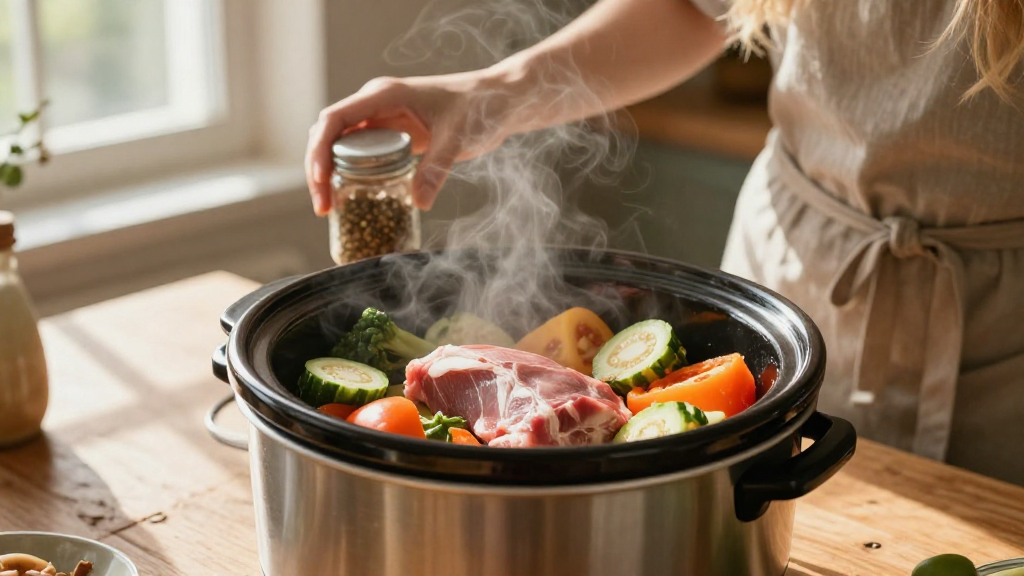
If you’ve ever wondered, can you cook without liquid in a slow cooker, you’re not alone. Many home cooks question the necessity of liquid when using this versatile kitchen appliance.
What Happens If You Don’t Use Liquid in a Slow Cooker?
The main function of a slow cooker is to create a moist cooking environment.
This is achieved primarily through the use of liquid.
When you cook, the heat activates the moisture in foods, causing steam to build up.
If you decide to cook without liquid, several outcomes may occur:
-
Burnt Food: Without enough moisture, your food can stick to the sides and potentially burn.
-
Dry Texture: Foods cooked without liquid often turn out dry and unappetizing.
-
Flavors Locked In: The absence of liquid means that some flavors won’t be able to blend effectively, leading to a less flavorful dish.
-
Limited Cooking Time: Cooking times may vary drastically if liquid isn’t introduced, making it hard to predict when your meal will be ready.
The question remains: can you cook without liquid in a slow cooker? Generally, it is not recommended.
What Can You Cook Without Liquid?
While the old adage of “liquid is essential” is often true, some ingredients can be cooked with minimal or no added liquid.
Here are some examples:
-
Root Vegetables: Potatoes, carrots, and other dense vegetables can release their own moisture while cooking.
-
Certain Cuts of Meat: Some fatty cuts, like pork shoulder or beef chuck, can self-baste as they cook.
-
Casseroles: With ingredients like cheese and cream, some casseroles can thrive with little to no additional liquid.
Though these ingredients might cook successfully in a slow cooker without additional liquid, some moisture from the food will still be essential for the slow cooking process.
Why Is Liquid Important in a Slow Cooker?
Liquid plays several vital roles in the slow cooking process:
-
Temperature Regulation: Liquid helps maintain consistent cooking temperatures, preventing hot spots and ensuring even cooking.
-
Flavor Fusion: Different cooking liquids (broths, sauces, and marinades) help integrate flavors, enhancing the overall taste of your dish.
-
Tenderizing Food: Cooking with liquid can help break down tough fibers in meats and legumes, resulting in tender and flavorful meals.
-
Preventing Sticking: A sufficient amount of liquid creates a barrier between the food and the cooking surface to avoid sticking or burning.
In summary, while you may experiment with cooking without liquid, the advantages that come with using some amount of it are hard to overlook.
So, Can You Cook Without Liquid in a Slow Cooker?
The definitive answer is: it depends on what you’re cooking.
While it’s not ideal to cook without any liquid, the slow cooker can handle minimal liquid in certain recipes.
Here’s a rule of thumb:
-
Minimal Liquid: For recipes like certain stews or roasts where meat can release its fat, a small amount of liquid may suffice.
-
No Additional Liquid: For dishes rich in moisture (like braised meats) or dense vegetables, you might skirt by without having to add extra liquid.
What If You Add Liquid Only at the End?
Another option to consider is adding liquid later in the cooking process. Doing this can serve various purposes:
-
Adjusting Flavor: Sometimes, you might want to taste your dish and then add an ingredient to enhance it.
-
Thickening Sauces: If you want a rich sauce, you can add liquid at the end to create a glossy finish.
-
Preventing Overcooking: If your dish appears too dry, you can quickly remedy this by adding liquid toward the end of cooking without ruining the piecemeal method of slow cooking.
Best Practices for Cooking in a Slow Cooker
If you still want to venture into slow cooking, consider these best practices:
-
Always Use Enough Liquid: A good rule of thumb is to use at least 1 cup of liquid for every 2-3 pounds of food.
-
Layering Ingredients: Place dense vegetables at the bottom and meats on top. This way, the meat can release juices to moisten the vegetables.
-
Monitor Liquid Levels: If you’re cooking too long and notice that the liquid level is low, you can add more throughout the cooking time.
-
Utilize Sauces: Use sauces like soy sauce or even salsas. These can add both moisture and flavor to your dish.
-
Seal It In: Ensure that your slow cooker lid is tight; if steam is escaping, it can dry out your dish.
Conclusion: Can You Cook Without Liquid in a Slow Cooker?
In conclusion, while the Question of “can you cook without liquid in a slow cooker” may have some merit, it’s something better left as an experiment.
Realistically, liquid is an indispensable component of successful slow-cooked meals.
If you’re thinking about diving into the world of slow cooking, remember the importance of liquid for flavor, texture, and even cooking.
Ultimately, for best results, stick to tried and tested recipes that incorporate the right amount of liquid to ensure your culinary creations are a hit every time!
By following these tips, you’ll be equipped to make the most of your slow cooker and leave the question about cooking without liquid in the past.