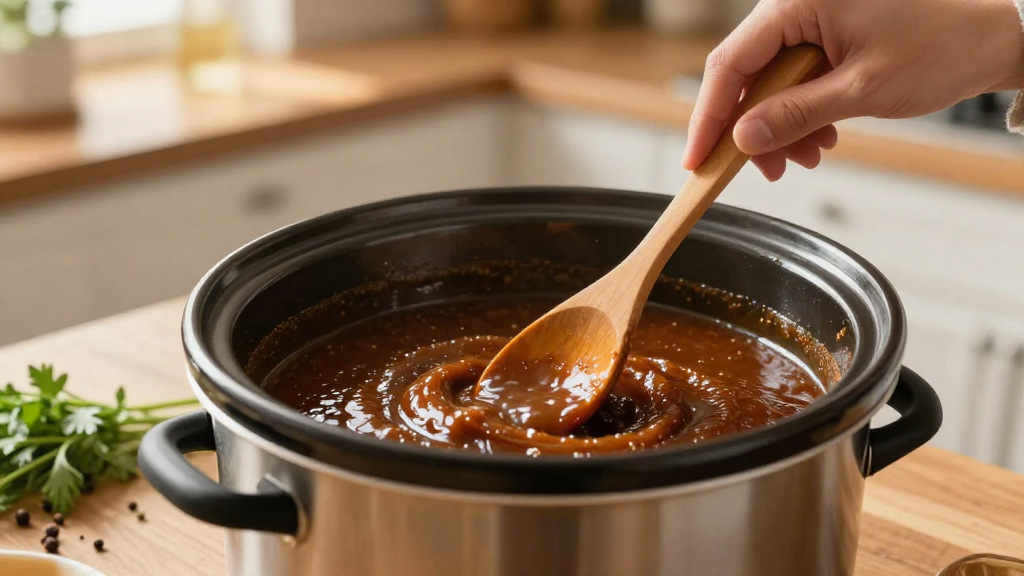
If you’ve ever wondered how to deglaze a slow cooker, you’re in the right place!
Using a slow cooker can make meal prep a breeze, but many people overlook the valuable flavors left behind in the pot after cooking.
Deglazing is the culinary technique that can transform those crusty bits into a rich and flavorful base for sauces and gravies.
Let’s dive into the process and uncover tips for maximizing flavors while using your slow cooker!
What Does it Mean to Deglaze a Slow Cooker?
Deglazing is the method of adding a liquid to a hot pan or pot to loosen and dissolve the flavorful bits of food that have stuck to the surface.
Why is this important?
These bits, often referred to as “fond,” are packed with intense flavors that can elevate your dish when incorporated into sauces or gravies.
So, how do you deglaze a slow cooker?
Let’s break down the steps.
What Do You Need to Deglaze a Slow Cooker?
Before you get started, make sure to gather the following ingredients and tools:
-
Liquid for Deglazing: This could be:
– Broth (chicken, beef, vegetable)
– Wine (red or white)
– Vinegar (balsamic, apple cider)
– Water -
Utensils:
– Wooden spoon or spatula
– Measuring cup
– A slow cooker with a removable insert, if possible -
Optional Flavors:
– Herbs (thyme, rosemary)
– Garlic or onion
– Spices (black pepper, smoked paprika)
How Do You Deglaze a Slow Cooker?
Now that you have your ingredients ready, here’s a simple, step-by-step guide on how to deglaze a slow cooker effectively:
Step 1: Remove the Slow Cooker Insert
Once your dish is cooked, carefully take out the removable insert from your slow cooker.
Step 2: Add the Liquid
Pour a deglazing liquid of your choice into the hot insert.
- Tip: Use about 1/2 to 1 cup of liquid, depending on the amount of fond present.
Step 3: Scrape the Fond
Use a wooden spoon or spatula to gently scrape the bottom of the insert.
- This will help to lift the flavorful bits from the bottom, mixing them into the liquid.
Step 4: Simmer the Mixture
If you have a stovetop-friendly insert, you can place it directly on the burner to simmer.
If not, return the insert to the slow cooker base, turn the heat to high, and let it cook for about 5–10 minutes.
- This will help to concentrate the flavors and reduce the mixture slightly.
Step 5: Strain (Optional)
If you’ve added herbs or spices, you may want to strain the liquid through a fine mesh sieve into a separate bowl to ensure a smooth sauce.
Step 6: Serve and Enjoy!
Finally, pour the deglazed sauce back over your dish or serve it on the side.
Not only will you elevate your meal with added flavors, but you’ll also impress your family and friends!
What Are the Best Liquids for Deglazing a Slow Cooker?
When it comes to learning how to deglaze a slow cooker, the type of liquid you use can greatly affect the final flavor of your sauce. Here are some popular options:
-
Broth:
– Chicken Broth: Adds a mild, savory flavor.
– Beef Broth: Provides a robust, hearty taste.
– Vegetable Broth: A lighter option for veggie-based dishes. -
Wine:
– Red Wine: Complements heavier dishes like beef or lamb.
– White Wine: Works beautifully with poultry and fish. -
Vinegar:
– Balsamic Vinegar: Adds sweetness and tanginess, perfect for glazings.
– Apple Cider Vinegar: Offers a fruity and acidic kick. -
Water:
– While the least flavorful option, water can still help lift fond if you have nothing else on hand.
How Can You Enhance the Flavor After Deglazing?
While deglazing is a fantastic first step, there are additional methods to enhance the flavor of your sauce:
- Add Aromatics: Sauté onions or garlic in the liquid for extra depth.
- Use Cream: Stir in a bit of heavy cream for a rich, velvety texture.
- Mix in Mustard: A teaspoon of Dijon or whole-grain mustard can impart a tangy flavor.
- Incorporate Fresh Herbs: Adding fresh herbs like parsley or cilantro at the end of cooking brings a fresh, vibrant note.
What Dishes Benefit Most from Deglazing?
Deglazing is particularly effective for certain types of slow-cooked dishes, including:
- Braised Meats: Dishes like pot roast or beef stew.
- Slow-Cooked Poultry: Chicken thighs or drumsticks.
- Chili and Stews: Incorporate every last bit of flavor.
- Vegetarian Dishes: Lentil soups or vegetable curries.
Each of these dishes can see improved taste and texture when you take the time to deglaze!
Conclusion: Why Knowing How to Deglaze a Slow Cooker is Essential
Learning how to deglaze a slow cooker opens up a whole new world of culinary possibilities.
Not only does it enhance the flavor of your meals, but it also helps you to utilize every bit of food, minimizing waste.
By following the steps and tips in this article, you’ll be well on your way to creating rich, delicious sauces that will elevate any slow-cooked dish.
So the next time you pull out your slow cooker, don’t forget about deglazing.
Your taste buds will thank you!