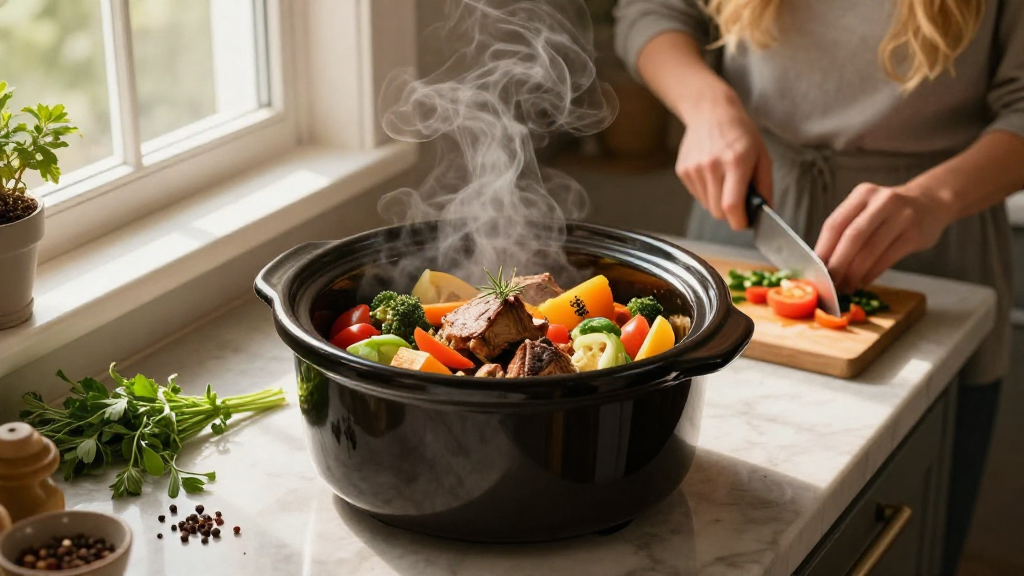
When it comes to healthy and convenient cooking, slow cooker meals offer a delightful balance of ease and nutrition.
In this article, we will explore essential slow cooker nutrition facts, helping you understand how to make the most of your meals while maintaining a balanced diet.
What Are the Key Slow Cooker Nutrition Facts?
Slow cookers have become a staple in many households, not just for their convenience but also for the nutrition they can help preserve in meals.
1. Retained Nutrients
One of the main advantages of using a slow cooker is that it often retains more nutrients compared to traditional cooking methods.
Due to lower cooking temperatures and longer cooking times, here are some nutrients that benefit:
-
Vitamins: Fat-soluble vitamins (A, D, E, K) and water-soluble vitamins (like B and C) are better preserved.
-
Antioxidants: The slow cooking process minimizes exposure to high temperatures, which can degrade antioxidants found in vegetables.
2. Healthy Ingredients
Another key aspect of slow cooker nutrition facts is the variety of healthy ingredients that can be utilized.
While preparing slow cooker meals, consider these nutritious ingredients:
-
Lean Proteins: Chicken, turkey, and legumes are great options that help to build muscle.
-
Whole Grains: Quinoa, brown rice, and barley contribute to fiber content and overall health.
-
Fresh Vegetables: Carrots, bell peppers, and spinach are nutrient-dense and add vibrant flavors.
3. Customizable Dietary Choices
Can slow cookers cater to dietary restrictions?
Absolutely!
Here are a few examples of dietary preferences and how you can adapt slow cooker meals:
-
Vegetarian/Vegan: Use plant-based proteins such as beans, lentils, and tofu.
-
Gluten-Free: Swap out traditional grains for gluten-free alternatives like quinoa or rice.
-
Paleo/Keto: Focus on meats, healthy fats, and low-carb veggies to fit within these dietary frameworks.
How Do Slow Cooker Meals Help with Portion Control?
Slow cooker meals can actually assist in managing portion sizes.
By preparing meals in advance, here are ways portion control becomes manageable:
-
Pre-portioned Ingredients: Measure out servings as you cook to ensure proper portions.
-
Single-serve Containers: Divide meals into single-serve containers when cooking to make it easier to track intake.
-
Balanced Meals: Slow cooker recipes often incorporate a balance of protein, carbohydrates, and fats, promoting full meals without excess calories.
What Are the Caloric Benefits of Slow Cooker Meals?
When examining slow cooker nutrition facts, the caloric content of meals is important to consider.
Cooking in a slow cooker can contribute to lower calorie meals due to the following factors:
-
Less Pre-packaged Ingredients: Cook with raw ingredients instead of processed foods that often contain hidden sugars and unhealthy fats.
-
Control Over Additives: You can eliminate excess oils, sugars, and artificial flavors that are often found in store-bought meals.
-
Nature of Cooking: Slow cooking allows for the natural flavors of the ingredients to shine without relying on heavy sauces or seasonings.
Sample Slow Cooker Meal Ideas:
To give you a better idea of potential meals and their nutritional benefits, here are some examples:
- Slow Cooker Chicken and Vegetable Stew:
-
Packed with protein and full of vitamins from the vegetables.
-
Chili with Beans and Ground Turkey:
-
High in fiber and protein, this dish helps keep you full longer.
-
Vegetable Quinoa Curry:
- A perfect vegetarian option that provides healthy carbs and a range of essential nutrients.
Are There Any Downsides to Slow Cooker Meals?
While slow cooker meals offer many advantages, it’s also essential to be aware of potential downsides.
Some considerations include:
-
Potential for Overcooking: It can be easy to leave meals cooking for too long, which may lead to a loss of texture and flavor.
-
Sodium Content: Store-bought broth or sauces can be high in sodium. Look for low-sodium or no-salt-added versions to keep your meals heart-healthy.
-
Preparation Time: Although the hands-on time is minimal, you will need to plan and prepare meals in advance, which may be a hurdle for some.
How Can You Enhance the Nutritional Value of Your Slow Cooker Meals?
Maximizing the nutritional value of your slow cooker meals is key to a balanced diet.
Consider these tips to enhance your slow cooker nutrition facts:
-
Incorporate Leafy Greens: Add spinach, kale, or Swiss chard near the end of cooking for a nutrient boost.
-
Include Healthy Fats: Use healthy fats such as olive oil, nuts, or avocado.
-
Spices and Herbs: Spice up your meals with herbs like turmeric or garlic, both of which offer various health benefits.
Conclusion: Are Slow Cooker Meals Right for You?
In summary, slow cooker nutrition facts reveal the versatility and health benefits of using these kitchen heroes.
They assist in preserving nutrients, controlling portions, and providing customizable options that cater to different dietary needs.
If you’re looking for an efficient way to meal prep while maintaining a healthy lifestyle, slow cooker meals could be the answer.
Embrace your slow cooker, experiment with flavors, and enjoy the delicious meals while reaping the nutritional rewards!
By understanding the slow cooker nutrition facts, you’re one step closer to cooking healthier meals that satisfy your taste buds and nourish your body.