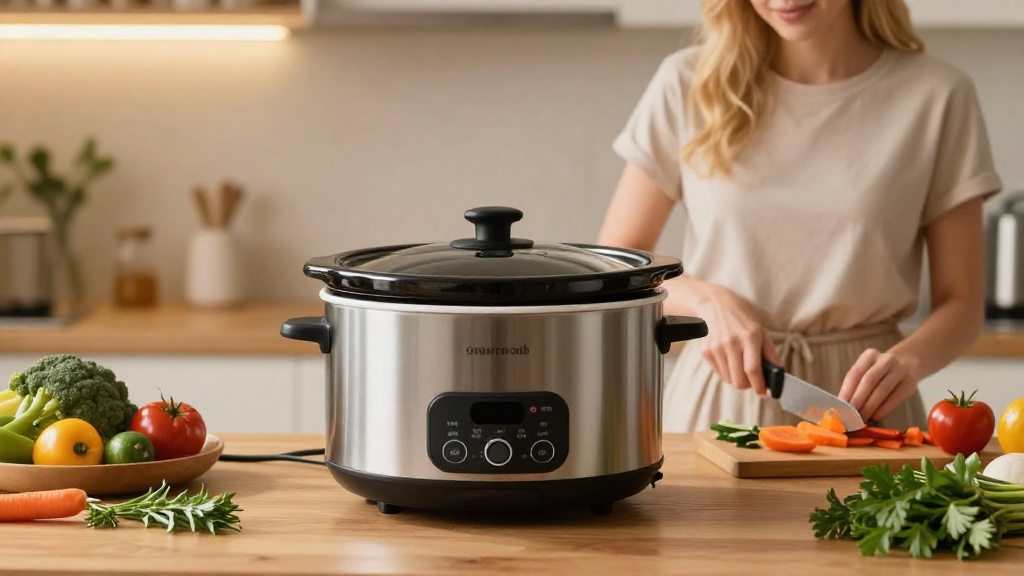
When it comes to cooking, convenience and taste often reign supreme.
However, knowing some essential slow cooker safety tips is crucial to ensure both your meals and your kitchen remain safe.
What Are the Key Slow Cooker Safety Tips?
Using a slow cooker can seem straightforward, but following slow cooker safety tips helps to avoid accidents and ensure your meals are prepared correctly.
Here are some of the most important guidelines to keep in mind:
-
Read the Manual
– Each slow cooker can have specific instructions and safety advice provided by the manufacturer.
– Familiarize yourself with these guidelines before using your appliance. -
Avoid Overfilling
– Do not fill your slow cooker more than two-thirds full.
– Overfilling can cause spills and inefficient cooking. -
Use the Right Ingredients
– Avoid using frozen meats, as they may not reach a safe cooking temperature.
– Instead, always start with thawed ingredients to ensure safe cooking. -
Lid Management
– Keep the lid on as much as possible during cooking.
– Removing the lid extends cooking time and can lead to undercooked meals. -
Follow Cooking Times
– Adhere to suggested cooking times and settings.
– Overcooking your food can result in unsafe conditions and an unpleasant texture.
How Can You Ensure Proper Temperature Control?
One of the most crucial facets of slow cooker safety tips revolves around temperature control.
Here’s how to make sure your food is safe to eat:
-
Use a Food Thermometer
– Check the internal temperature of meats and stews.
– The USDA recommends a minimum internal temperature of 165°F for poultry and 145°F for other meats. -
Keep it Hot
– Slow cookers generally keep food within the danger zone (between 40°F and 140°F).
– To avoid bacteria growth, keep cooked foods above 140°F. -
Avoid Keeping Food Warm
– Do not leave food in the slow cooker on the “warm” setting for extended periods.
– Serving food immediately after cooking is the safest option.
What Are the Best Practices for Cleaning a Slow Cooker?
Proper maintenance of your slow cooker is a fundamental aspect of slow cooker safety tips.
Clean your slow cooker after every use, following these tips:
-
Unplug and Cool Down
– Ensure the slow cooker is unplugged and cooled down before cleaning.
– This helps avoid burns. -
Remove Removable Parts
– Detach the bowl and lid for easier cleaning.
– Wash them in warm, soapy water or put them in the dishwasher if they are dishwasher safe. -
Care for the Heating Element
– Wipe the outside of the slow cooker with a damp cloth.
– Do not immerse the base unit in water. -
Deep Cleaning
– For stubborn spots, use baking soda and water to create a paste.
– Apply it to the affected areas, let it sit, and then scrub away.
Can Slow Cookers Cause Burns?
Absolutely, if not used correctly.
Here are some slow cooker safety tips to avoid burns:
-
Use Oven Mitts
– Always use oven mitts when handling the slow cooker.
– The sides can become extremely hot during cooking. -
Be Cautious with Steam
– When removing the lid, tilt it away from your face.
– This prevents steam burns, which can be painful. -
Keep Children Away
– Prevent accidents by keeping children at a safe distance while the slow cooker is in use.
– Set clear boundaries about kitchen safety.
What Ingredients Should You Avoid?
Certain ingredients can pose risks when cooked in a slow cooker.
Awareness of these can improve your overall slow cooker safety tips:
-
Dairy Products
– Adding dairy at the beginning can lead to curdling.
– Instead, add these ingredients near the end of the cooking time. -
Pasta and Rice
– Cooking pasta or rice in a slow cooker can lead to mushy results.
– It’s best to cook them separately. -
Spices and Seasonings
– Add delicate herbs and spices toward the end of cooking to retain flavor.
– They can become bitter if cooked too long.
How to Handle Leftovers Safely?
Storing leftovers correctly is a significant part of slow cooker safety tips.
Here’s what to do:
-
Cool Before Storing
– Allow any cooked food to cool before placing it in the fridge.
– Ideally, refrigerate leftovers within two hours of cooking. -
Use Airtight Containers
– Store leftovers in sealed containers to maintain freshness.
– This also helps prevent cross-contamination. -
Reheat Properly
– When reheating, ensure food reaches an internal temperature of 165°F again.
– Never reheat food multiple times; it increases the risk of foodborne illnesses.
Conclusion: Why Prioritizing Slow Cooker Safety Is Essential
Utilizing slow cooker safety tips not only enhances the cooking experience but also significantly reduces the risk of accidents and foodborne illnesses.
By incorporating the essential practices outlined above, you can ensure that your slow cooker sessions are both enjoyable and safe.
Happy cooking!