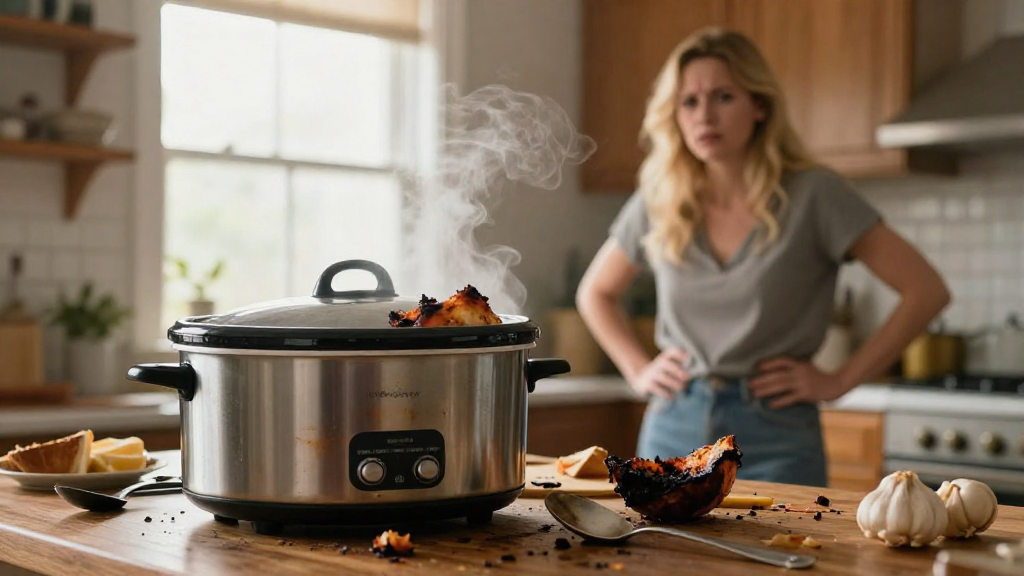
When it comes to using a slow cooker, understanding what not to do with a slow cooker is just as vital as knowing the best practices.
Using a slow cooker can transform your cooking experience, but mistakes can lead to subpar meals or, worse, dangerous situations. Let’s dive into the crucial dos and don’ts that every slow cooker enthusiast should keep in mind.
What Should You Avoid When Cooking with a Slow Cooker?
1. Overfilling the Slow Cooker
One common mistake is overfilling your slow cooker.
While it might be tempting to cram in a large quantity of ingredients, leaving too little space can cause:
- Ineven Cooking: Ingredients on the bottom may cook too quickly, while those on top stay raw.
- Spills & Messes: If the slow cooker reaches its capacity, it can overflow, creating a disaster in your kitchen.
- Health Risks: Too much food can create pressure that alters cooking times and may lead to undercooked meals.
Best Practice: Always fill your slow cooker to about two-thirds full for optimal performance.
2. Lifting the Lid Too Often
Slow cookers are designed to trap heat and moisture.
Frequent lid lifting can hinder this function.
Each time you open the lid, you release heat, which can increase cooking time.
This can result in:
- Longer Cooking Times: It can take 20-30 minutes for temperatures to return to normal.
- Inconsistent Results: Your dish may not cook evenly.
- Dried Out Meals: Ingredients can lose moisture if exposed to air too long.
Best Practice: Resist the urge to peek unless absolutely necessary.
Check for doneness near the end of the cooking time.
3. Substituting Ingredients Without Care
When it comes to slow cookers, not all ingredients are created equal.
What not to do with a slow cooker regarding substitutions can lead to flavor imbalances or texture issues.
For example:
- Certain Vegetables: Quick-cooking vegetables like zucchini can become mushy if added at the start.
- Dairy Products: Milk or cream should be added later in the cooking process to prevent curdling or separation.
Best Practice: Follow recipes closely and be cautious about ingredient substitutions.
4. Using Lean Cuts of Meat Exclusively
While healthy, lean cuts of meat can often dry out in a slow cooker.
Here’s why:
- Lack of Fat: They don’t have enough fat to keep the meat moist over long cooking periods.
- Texture Issues: Lean meats can become tough and chewy.
Instead, consider using:
- Boneless thighs
- Chuck roast
- Pork shoulder
Best Practice: Opt for cuts of meat with more marbling or add fats like butter or olive oil to maintain moisture.
5. Not Brown the Meat First
Many people think you can skip browning meat before placing it in the slow cooker, but this can lead to:
- Flavor Reduction: Browning adds depth and creates a richer flavor.
- Less Appeal: Un-seared meat can look unappetizing.
Best Practice: Take a few extra moments to brown your meat in a skillet before adding it to the slow cooker.
6. Adding Too Much Liquid
This is another common mistake in understanding what not to do with a slow cooker.
Unlike traditional cooking methods, slow cookers retain moisture very well.
As a result, adding too much liquid can lead to:
- Soupy Results: Your intended dish can turn into a broth.
- Flavor Dilution: Excess liquid can dilute important flavors.
Best Practice: Start with less liquid than you think you’ll need. You can always add more if it’s too dry toward the end.
How Do You Handle Cooking Times?
7. Ignoring Cooking Time Recommendations
Slow cooking requires patience, and ignoring cooking time can leave you with:
- Undercooked Food: Assigning a short cook time can lead to raw or unsafe food.
- Overcooked Ingredients: Giving high cook times can turn veggies into mush.
Best Practice: Stick to recipe guidelines, knowing high and low settings vary from model to model.
8. Unsafe Cooking Practices
Food safety is paramount in any kitchen.
With slow cookers, failing to adhere to proper safety measures can lead to:
- Bacterial Growth: Leaving food out too long before cooking can be dangerous.
- Temperature Abuse: Not reaching safe cooking temperatures can lead to foodborne illnesses.
Best Practice: Always thaw meats before cooking, and ensure your slow cooker reaches a minimum internal temperature of 165°F for food safety.
What Materials Should You Avoid?
9. Using Metal Utensils
Your slow cooker may seem durable, but using metal utensils can scratch or damage the non-stick surface.
This can lead to:
- Food Sticking: Scratched surfaces can be prone to sticking.
- Health Risks: Damaged non-stick coatings can be hazardous.
Best Practice: Use silicone or wooden utensils to serve foods from your slow cooker.
10. Putting Uncooked Rice or Pasta Directly in
While slow cookers can do amazing things, they aren’t suited for everything.
Cooking raw rice or pasta might lead to:
- Gummy Textures: Uncooked grains absorb much more liquid than expected.
- Incomplete Cooking: They can be hard or chewy if not monitored properly.
Best Practice: Consider cooking pasta or rice separately and adding them at the end of the cooking cycle.
Conclusion
When using a slow cooker, it is essential to keep in mind what not to do with a slow cooker.
The key to enjoying the convenience of this fantastic kitchen appliance lies in avoiding common pitfalls such as overfilling, frequent lid lifting, unsafe practices, and inappropriate ingredient choices.
By understanding these basic rules, you can ensure a delightful slow cooking experience.
So next time you plan a meal, keep this guide handy to avoid the common mistakes that can derail your dinner plans!