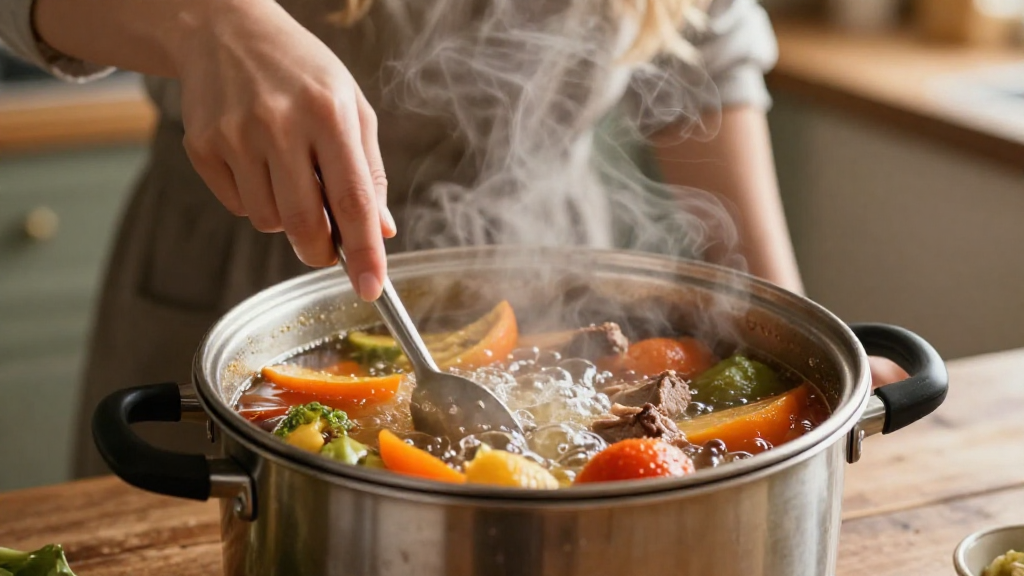
If you’ve ever wondered, “why is my slow cooker bubbling?” you’re not alone.
Slow cookers have revolutionized the way we prepare meals.
They allow us to set it and forget it, creating delicious dishes with minimal effort.
However, the sight of bubbling or splattering inside your slow cooker can raise concerns.
Let’s explore why your slow cooker is bubbling and what it means for your cooking.
What Does Bubbling Indicate in a Slow Cooker?
When you spot bubbles forming in your slow cooker, it’s essential to understand what they signify.
Bubbling is a normal part of the cooking process.
It typically indicates that:
- The contents are heating up: As the temperature rises, liquids in your slow cooker begin to boil at some point.
- Ingredients are releasing steam: Foods such as meats and vegetables contain moisture, which can generate steam.
- The lid is sealing in moisture: A securely fitted lid traps steam, leading to bubbling inside the slow cooker.
If you are dealing with excessive bubbling, though, it could signify something else entirely.
Could Overfilling Cause Bubbling?
Yes! Overfilling your slow cooker can contribute to excessive bubbling.
Here’s why:
- More ingredients mean more liquid: When you fill your slow cooker to the brim, liquids can expand during cooking, leading to bubbling and potential overflow.
- Limited space for steam to escape: The more ingredients you add, the less room there is for steam, creating pressure that can cause bubbling.
Tips to Avoid Overfilling:
- Follow the manufacturer’s guidelines: Consult your slow cooker’s instructions for maximum filling levels.
- Use the right size: Ensure your slow cooker is appropriately sized for the number of servings you’re preparing.
- Leave space: Aim for leaving about 1/4 to 1/2 of the slow cooker empty to allow for bubbling and steam release.
Is My Slow Cooker Bubbling Due to Temperature?
Another critical factor in understanding “why is my slow cooker bubbling” involves the temperature setting.
There’s a direct correlation between the temperature of your slow cooker and the bubbling action:
- High heat causes rapid bubbling: When set on high, your slow cooker will cook faster, leading to more vigorous bubbling.
- Low heat may create gentle bubbling: A low temperature setting can still produce some bubbles, but they will be less intense.
How to Control Cooking Temperature:
- Adjust the setting: If you notice excessive bubbling on high, switch to a lower setting.
- Use a lid: Keeping your slow cooker covered will help maintain a consistent temperature while reducing bubbling.
Are Certain Ingredients More Likely to Bubble?
Yes, the type of ingredients you use can influence bubbling in your slow cooker.
Consider these factors:
- High liquid recipes: Dishes that contain significant amounts of liquid, like soups or stews, will naturally bubble more.
- Starchy components: Ingredients like potatoes or pasta can release starches, thickening the liquid and causing bubbling.
- Meat and vegetables: The moisture in meats and the water content in vegetables can lead to more bubbling as they cook.
Ingredient Tips:
- Adjust liquid levels: If using starchy foods, reduce the liquid slightly to prevent excessive bubbling.
- Layer ingredients wisely: For even cooking and minimal bubbling, consider layering dense ingredients at the bottom and lighter ones on top.
Is It Normal for My Slow Cooker to Bubble So Much?
A certain level of bubbling is normal, but excessive bubbling can raise concerns.
Ask yourself:
- Is it bubbling over?: If you’re getting splatters outside of the slow cooker, that is a sign of too much bubbling.
- Is there an unusual odor?: If you notice strange smells, it could indicate overheating or burning food.
- Is the food cooking evenly?: Excessive bubbling might affect the cooking process, leading to unevenly cooked ingredients.
What to Do If Bubbling Is Excessive:
- Check your recipe: Make sure you are following correct liquid measurements.
- Stir occasionally: If it’s safe, stir your dish occasionally to help regulate the temperature and reduce bubbling.
- Adjust the slow cooker settings: Consider lowering the temperature or moving some of the ingredients around for better heat distribution.
Should I Be Concerned About the Noise?
Many people often worry about the noise their slow cooker makes when bubbling.
Here’s what to keep in mind:
- Bubbling sounds are typical: A gurgling noise indicates that the food is cooking correctly.
- Loud popping or sizzling: If you hear loud odd sounds, it could indicate food is cooking too rapidly or burning.
When to Investigate:
- Constant loud noises: If the noise is more akin to boiling over, it may need attention.
- Changes in sound: An abrupt change in sound could warrant a quick check on cooking status, ensuring nothing is burning.
Conclusion: Understanding Your Slow Cooker
By understanding why is my slow cooker bubbling, you can create a more desirable cooking experience with your slow cooker.
Whether it’s a necessary part of the cooking process or a sign that you need to adjust something, bubbling plays an essential role in meal preparation.
Here are some quick takeaways to keep in mind:
- Bubbling can be a sign of cooking progress.
- Overfilling can lead to excessive bubbling and mess.
- Temperature plays a significant role in how vigorously your dish cooks.
- Certain ingredients naturally contribute more bubbling than others.
- Noise levels can vary, with some sounds being a regular part of the slow-cooking process.
By applying these tips and solutions, you can enjoy a perfectly cooked meal, bubbling or not!